Marketing for Irish Makers: A Practical Guide for Small Craft Businesses
A practical marketing guide for Irish makers and small craft businesses: website, social media, email, stockists and planning around production.
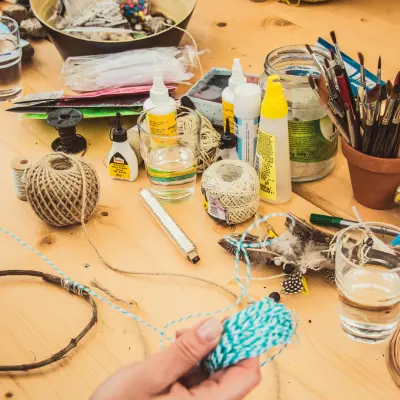
If you make things for a living, whether ceramics, prints, jewellery, textiles or furniture, marketing probably competes with the work you'd rather be doing. You know you should be posting, emailing your list and finding new stockists, but every hour on marketing is an hour away from the studio.
This guide is for Irish makers and small craft businesses who want marketing that fits around making. It covers where to focus, what to leave alone, and how to build something that keeps working when you're busy at the bench or preparing for a fair.
The short answer
Most makers get the best return from a small number of things done consistently:
- a website that makes buying easy, with product pages that tell the story behind each piece
- one main social channel, used to show the making as well as the finished work
- an email list, for the people who already love what you do
- a short list of the right stockists, galleries and markets
- a seasonal calendar planned around your production, not the other way round.
You don't need to be everywhere. You need to be clear, consistent and easy to buy from.
Why this matters for Irish makers
Craft and design is a significant sector in Ireland. In 2024, the Design & Crafts Council Ireland reported around 21,000 design and craft enterprises operating in Ireland. In its 2023 client survey, 79% of respondents had sold products through online platforms.
So selling online is normal for Irish makers now. The question is how to stand out without marketing taking over your week.
Start with your story, then make it specific
Your story is your biggest advantage over mass-produced alternatives. People buy handmade work because they connect with the maker, the materials and the place it comes from.
The mistake is keeping that story vague. "Handmade with love in Ireland" describes thousands of businesses. Be specific about what makes yours different: the materials, the technique, the landscape, the reason you started. One ceramics studio I worked with has its whole brand built around pieces shaped by the sea near the studio. That single idea gives every product description, photo and post a clear thread.
Make your website do the selling
For many makers, social media gets the attention while the website quietly underperforms. I've seen this pattern more than once: strong Instagram engagement, a recognisable style, but website sales lagging behind. It's often the website, not the social media, that needs work first, because every improvement there makes every other channel more valuable.
Focus on:
- Product pages that sell. Each piece needs its own description covering what it is, how it's made, the size, care instructions and the story. Avoid copying one generic description across a whole range.
- Good photos. Show the piece clearly, in use, and at scale. A photo of a mug in someone's hand answers questions a studio shot can't.
- Clear delivery information. Costs, timings and where you ship to, visible before checkout.
- Your story on the homepage. A few lines and a photo of you or your studio.
Use one social channel well
Pick the channel where your buyers spend time. For many makers that's Instagram, sometimes alongside Pinterest for homeware and design. Do one well before adding another.
What works for makers:
- Process content. People love seeing how things are made. Short clips of throwing, printing, carving or stitching are well worth trying alongside polished product shots.
- Simple content pillars. Rotate between a few themes, such as process, finished work, behind the scenes and customer photos, so you're never starting from a blank page.
- Clear routes to buy. Make it easy to get from a post to the product on your website.
My guide on where Irish small businesses should be on social media goes into choosing channels in more detail.
Build an email list
Social media platforms decide who sees your posts. Your email list is yours. For makers, a list of people who already like your work is one of the most valuable things you can build.
Collect sign-ups on your website, at fairs and markets, and with every order. Then send a short email once a month or around each new collection: new pieces, a story from the studio, upcoming events. You don't need a complicated system. Consistency matters more than design.
Be choosy about stockists and markets
Stockists, galleries, design shops and craft fairs can bring you in front of buyers you'd never reach online. But the wrong fit costs time, stock and margin.
- Approach a small number of stockists whose customers match yours, rather than many at once.
- Track which fairs and markets bring sales, sign-ups and stockist contacts, and drop the ones that don't.
- Keep a simple record of sales by stockist. That data becomes your strongest pitch when you approach bigger retailers later.
Plan around your production
A maker's year has its own rhythm: making periods, fairs, Christmas, new collections. Your marketing should follow it, not fight it.
Map out the year on one page: when you'll launch collections, which fairs you're doing, and the key selling seasons. Then plan your posts and emails around those dates, and do the planning in one sitting so you're not deciding what to post on the day.
Keep a short monthly review, half an hour is enough, to check what sold, where it came from and what to change. For one maker I worked with, I built the whole plan around a 30-minute monthly review, so that marketing wouldn't turn into a second full-time job.
What you can leave alone
- Every new platform. You don't need TikTok, Threads, Pinterest and a podcast. Pick one channel and do it well.
- Paid ads before your website converts. Paying to send people to a website that doesn't sell well is expensive.
- Daily posting for the sake of it. A few good posts a week, planned around your production, beats a daily scramble.
Support for Irish makers
Look into what's available locally and nationally. The Design & Crafts Council Ireland runs supports, programmes and events for makers, and your Local Enterprise Office runs training and mentoring for small businesses. Some LEOs run courses aimed specifically at craft businesses.
How I help makers
I've worked with Irish makers on marketing audits and long-term strategies, including a botanical artist and a ceramics studio. If you'd like a clear, realistic plan that fits around your making, a Marketing Strategy sets out exactly what to do and when. If you just want to know what's working and what isn't, start with a Marketing Health Check for €249, or book a free consultation.
Frequently asked questions
How do I market my handmade products in Ireland?
Focus on a website that makes buying easy, one main social channel that shows your process, an email list for existing fans, and a few well-chosen stockists and markets. Tell a specific story about your work, and plan your marketing around your production calendar.
Which social media is best for selling crafts?
For many makers, Instagram works well because it's visual and suits process content. Pinterest can suit homeware and design products. Choose the one where your buyers spend time and do it consistently.
Do I need a website if I sell on Instagram or Etsy?
It's strongly worth having one. Your website is the one place you fully control, and it's where stockists, press and serious buyers will look to check you out.
How much time should a maker spend on marketing?
Enough to stay consistent without taking over your making time. A few hours a week, planned in advance, plus a short monthly review, is realistic for most makers. My guide on how much time to spend on marketing covers this in more detail.
How do I find stockists for my craft products?
Start with a small number of shops and galleries whose customers match yours. Visit if you can, follow their submission process, and bring clear product information, wholesale prices and any sales data you have.